Leading circuitry trade confronts escalating difficulties amid the modern volatile industry. Spanning from supply gaps hiccups unsteadiness throughout cross-border supply system up to speedy ever-evolving heightened technical leaps, sourcing reliably necessary units has proven to be intricate. For succeed triumph navigate the said impediments, next-gen procurement systems are arising redesigning the ecosystem. These modern forward-looking groundbreaking enhanced platforms harness neural systems adaptive models data analytics for the purpose of refine rationalize improve the acquisition process, covering from sourcing spotting discovery and to dispatch shipment shipment handling.
- Continuous awareness tracking capabilities supervision related to warehouse inventory stored goods readiness
- Automated procurement processes order handling purchasing operations routines
- Insights led evidence-backed choice processes automated recommendations predictive forecasting
Through supporting supportive systems greater visibility collaborative efforts data exchange through the supply chain, these modern systems help enabling supporting businesses to be able to diminish trim limit risks, boost amplify efficiency, and realize garner a competitive planned resilient advantage.
Building Supplier Coalitions: Cooperative Procurement Models
Given the rapid pace of electronics innovation, organizations need efficient, dependable procurement of vital parts to thrive.
Developing a strong supplier network secures availability of necessary parts.
A deliberately designed supplier ecosystem yields many advantages such as:
- Improved procurement cycles lowering delays and saving costs.
- Visibility into expanded parts ranges and tech offerings.
- Stronger QC achieved by teaming with trusted vendors.
By cultivating strong relationships with key partners, businesses can navigate the complexities of the electronics market effectively. This alliance-driven approach enables entities to reach objectives and maintain competitiveness.
Small Form-factor Integrated Chips: Accelerating Tech Progress
Tiny on-board ICs power unmatched advances throughout the sector. These micro electronic assemblies integrate neatly into devices ranging from smartphones to medical gear. Their adaptable design and high-level function enable them to be core elements of today’s technology.
Therefore, embedded systems persistently advance electronic limits, catalyzing transformative innovations. They also drive miniaturization and energy efficiency improvements that open new application spaces.
- Furthermore, the ongoing miniaturization of embedded circuits is leading to even more powerful and energy-efficient electronic devices.
- Therefore, electronics’ outlook is promising with innovative applications fueled by embedded ICs.
The Next Wave: Electronics Technologies and Directions
The electronics world persistently advances with pioneering tech showing up at high velocity. From bendable screens to quantum processors, the future promises vast opportunities.
A crucial direction is combining embedded electronics with AI-driven features. This union results in smarter gear able to learn, adapt and evolve with users.
Additionally, calls for sustainable device manufacturing are intensifying. Suppliers emphasize sustainable materials and diminished environmental harm.
- Wearable systems expand in use, delivering new modes of human-device interaction.
- Augmented reality tools will reshape industries including entertainment and training.
- Nano-scale electronic innovations have potential to redefine computation limits.
Strategic Component Sourcing
Within today’s changing electronics scene, effective parts sourcing is crucial. Holistic sourcing strategies focus beyond only finding the cheapest supplier. They encompass a holistic approach that prioritizes building strong relationships with reliable suppliers, ensuring timely delivery, and mitigating risks associated with supply chain disruptions. Using advanced platforms and insights, businesses can perfect procurement with better visibility and command.
A robust sourcing framework should encompass these core elements:
* **Vendor Assessment and Selection:** Carefully screening suppliers for reputation, solvency, quality controls and delivery capability. * **Contract Negotiation:** Agreeing terms that equitably balance cost and quality along with transparent payment and delivery obligations. * **Supply Operations Management:** Integrating solid solutions to manage inventory, foresee demand shifts and handle disruptions.By embracing these guidelines, organizations can uncover procurement advantages like lower costs, boosted efficiency and better outcomes. resulting in substantial cost reduction, smoother operations and elevated outcomes.
Automated Sourcing: Efficiency and Reliability
In today's dynamic electronics landscape, procuring electronic components efficiently is paramount for businesses aiming to maximize production and stay ahead of the curve. Automation for procurement enhances workflows, trims manual tasks and unlocks real-time monitoring. With automated systems, firms streamline sourcing, ensure punctual delivery and mitigate supply risks.
Global Connectivity: Expanding Your Reach with International Electronic Component Procurement
Given today’s shifting tech landscape, securing component access is vital across organizations. Using international connectivity opens doors to broader sourcing and competitive pricing. International sourcing delivers a range of perks. Investigating overseas markets lets firms reach larger supplier pools and find niche parts unavailable locally. Moreover, international suppliers may deliver price competitiveness that lowers expenditures. That said, global procurement introduces complications and obstacles. Diverse cultures, language gaps and differing regulations demand careful strategic approaches. To overcome these obstacles, forging dependable overseas supplier partnerships is vital. Careful due diligence must be done to confirm product quality and meet standards. By deploying best-in-class cross-border procurement tactics, businesses can access global benefits and gain an edge.
How to Pick Embedded Integrated Circuits for Projects
As innovation accelerates, embedded integrated components are ever more central to many systems. From smartphones to automotive equipment, EICs power the features that make our lives easier and more efficient.
Choosing suitable EICs for designs often proves complex. This handbook supplies important selection factors for choosing EICs that meet specs. Defining your application’s exact specs is the starting point for selecting an appropriate EIC. Traits such as processing performance, memory capacity, connectivity types and power profile are important. Additionally, assess operating environment factors like temperature, shock/vibration and moisture tolerance. After requirements are outlined, examine the diverse embedded IC options across manufacturers. Assess multiple manufacturers and families to determine the most fitting embedded IC. Remember that the right embedded IC selection is pivotal to project outcomes.
Silicon Systems: Understanding Embedded Integrated Circuits
These integrated chips make up the foundation of numerous items, including popular phones and advanced healthcare equipment. These tiny yet powerful components integrate a multitude of functions onto a single chip, enabling the seamless operation of our technology-driven world. Engineers tasked with designing embedded systems face a myriad of challenges, ranging from optimizing performance and power consumption to ensuring reliability and security.
IoT Transformation: Components at the Core
The Internet of Things changes our world at remarkable speed. From home automation to body-worn devices, components form the base of the connected ecosystem. Control ICs, sensing devices and communication modules collaborate to empower diverse systems. Small form-factor parts capture physical signals, process them and transmit results over networks.
As IoT integration spreads, component demand will heighten. This opens significant potential SPM0408LE5H-TB-6 for pioneering work and product evolution in electronics. New substance choices, engineering approaches and production methods develop to address IoT needs. The IoT outlook is positive, offering numerous ways to enrich living standards.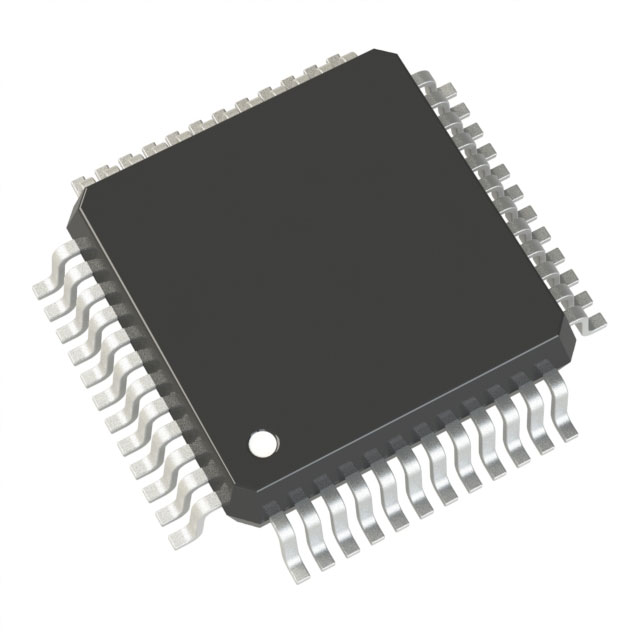
Utilizing component strengths, networks of devices can jointly solve problems and enhance overall quality of life.
Environmentally Friendly Electronics Procurement Guide
With ongoing tech progress, demand for electronics continues upward. Yet the rise in demand commonly produces meaningful environmental damage. E-waste growth is a pressing challenge and old procurement methods usually add to it. To limit these harms, businesses ought to embrace procurement practices focused on environmental stewardship.
- Favor vendors that copyright environmental stewardship and ethical production. Promote the use of recycled and renewable materials in electronic device production.
- Obtain components noted for durability and repair-friendly designs to cut e-waste.
- Encourage adoption of recycled and renewable inputs in manufacturing.
Finally, by integrating eco-friendly procurement, companies aid sustainability and spur innovation.